
Last time I wrote about why 95% of teams fail at AI transformation – and that the problem isn't technology, but mindset. Today I want to look at it from a slightly different angle: where AI actually works in practice, where it hits limitations, and what that means for management and development teams.
Global Reality vs. Local Mindset
The numbers speak clearly: 84% of developers already use AI. But satisfaction is declining – from 70% in 2024 to 60% this year. Why? Because hype has been replaced by reality. AI isn't a magic wand. It's a turbo – but with clear limits.
Here in the Czech Republic, I often see a typical pattern: AI saves 80% of the work → developer focuses on the remaining 20% of shortcomings → "this is useless, I'd rather do it all manually." Instead of appreciating that a task that would take 8 hours was done in 2.
Globally, it's different. Startups in Y Combinator go all-in. 25% of them have 95% of their code from AI. They're growing 10% weekly. They don't deal with perfectionism, they deal with speed. That's a completely different mindset.
My Experience: MVP and Demo
I've verified this firsthand on dozens of projects. AI is absolutely excellent for MVPs and smaller projects.
-
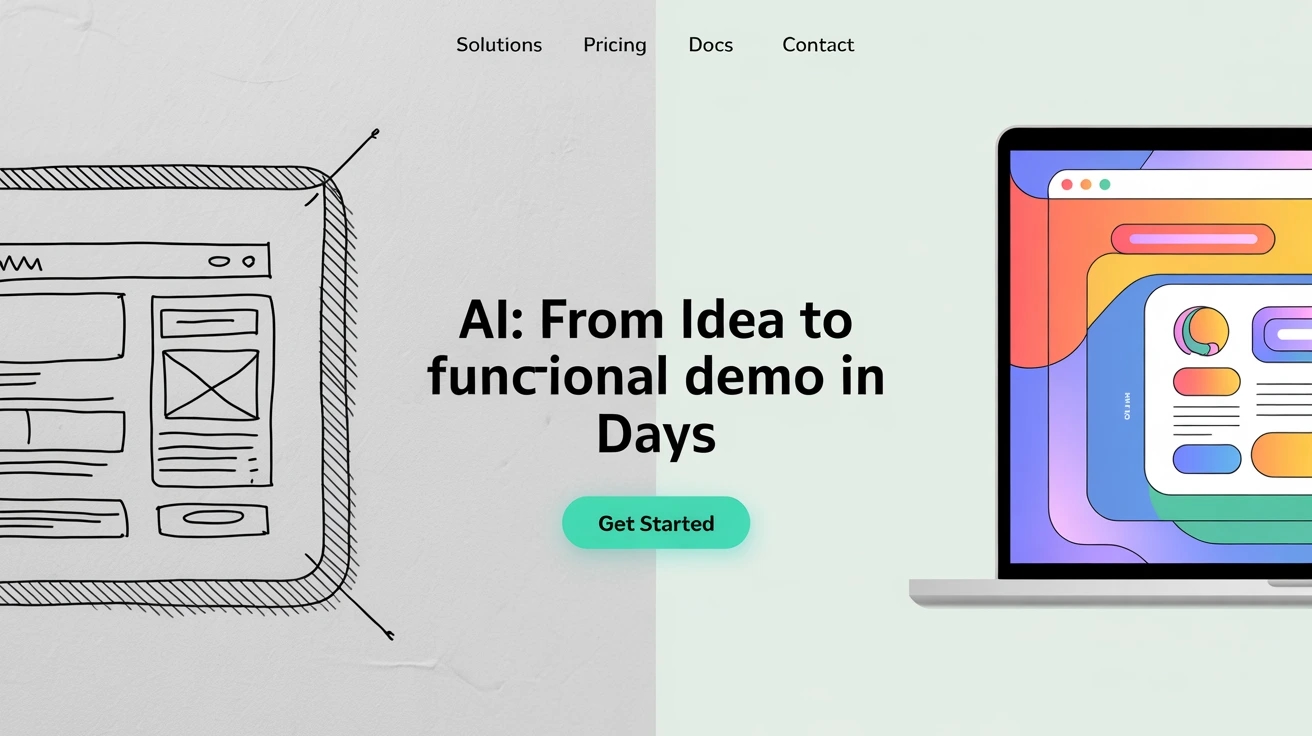
Within a few days, you have a finished prototype that would otherwise take entire weeks
-
Developers get ready-made components they can use directly or easily rewrite
-
The product team can click through the entire flow, write more precise acceptance criteria, and break them down into specific tasks in Jira or ClickUp
-
And what's crucial – the client or stakeholder can immediately try it, go through individual screens, click buttons, and better understand how the product should work
This is a huge difference from the traditional process. It's not just a wireframe on paper or static design in a Figma file. People on the other side get something in their hands that behaves like a real product. Thanks to this:
-
They give feedback faster
-
They articulate more precisely what's missing or what they'd like differently
-
And the whole team saves weeks of time that would otherwise be lost in endless approval rounds
But mainly – everyone in the project feels like they're holding a real product in their hands, not just a concept.
For larger projects (internal systems, e-shops), AI still plays a role – but a different one. The entire project isn't done in it, but it serves as a demo, presentation prototype, design showcase. Then classic development kicks in – custom or on platforms like Shopify.
What Data and Global Teams Say
It's not just my experience; the numbers confirm the same:
-
The METR study showed that developers with AI were 19% slower on small tasks, even though they thought they were 20% faster
-
GitClear analyzed 211 million lines of code and found a 4× increase in duplicates. But it also means faster prototyping
-
Developers themselves say: "AI is like a junior developer who never sleeps. Great for routine, but needs supervision."
That fits exactly. AI isn't a replacement for seniors, but enormous help in quick starts, prototyping, and routine tasks.
Impact on Teams and Management
From my perspective, teams fall into three categories:
AI-first teams – doing vibe coding, building MVPs in a week. Extreme speed, but high technical debt.
Pragmatic AI teams – using AI selectively (boilerplate, tests, documentation). 25% faster delivery, maintaining quality.
AI-resistant teams – sticking to old methods. Quality good, but baseline speed. And globally losing competitiveness.
As a leader, you have to choose where you want to be. AI isn't just about "speeding something up." It's about changing processes – from writing tasks to product management. Developers don't have to dig into every detail because AI shows them the way. And you as a manager get numbers that clearly show time savings and faster time-to-market.
Conclusion: AI as Turbo, Not Autopilot
AI isn't a magic wand. It's not an autopilot that solves everything. But it is turbo. For MVPs and demo projects, it's a gamechanger. For large projects, it's a perfect tool for quick start and validation, but you still need classic development and supervision.
So the question isn't "whether to use AI." The question is: 👉 Are you using AI just as a toy for demos, or already as a tool that accelerates real delivery?
My Prediction
Based on what I see with clients, my own projects, and what global data confirms, I dare say one thing very clearly:
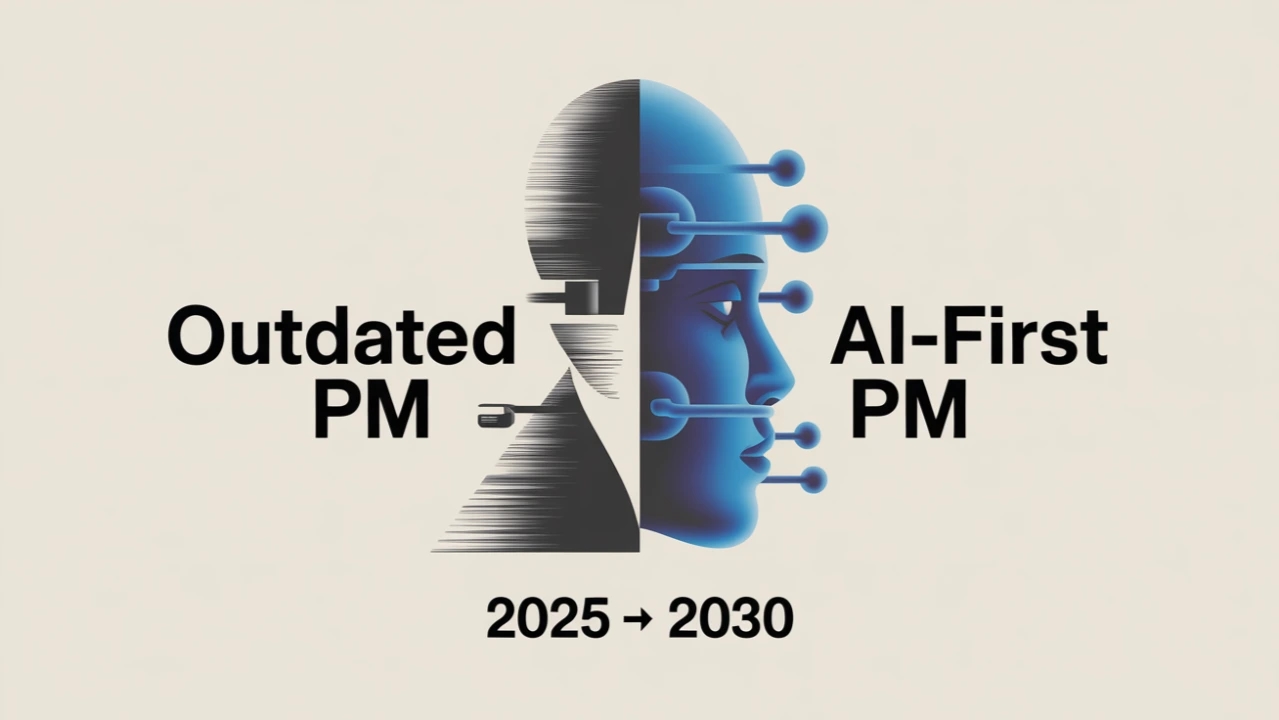
Within 2-3 years, AI will be a standard part of every development team – as natural as Git or Jira today.
And it won't just be about generating code. AI will become the main communication interface between business and development.
-
Product managers won't send specifications in Word, but will create clickable prototypes with AI help
-
Clients will immediately click through it, give feedback, and AI will directly generate user stories and test scenarios from it
-
Developers won't get "empty tickets," but specific components in code that they'll either refine or integrate into a larger system
MVP in a week, demo over a weekend, idea validation in hours. That will be the new normal.
And here comes the hard truth:
-
Teams that embrace this will deliver 3-5× faster than today
-
Teams waiting for "perfect tools" will find they've been replaced by competitors – not by AI, but by people who could quickly adopt it
My experience shows that AI won't replace seniors, but will significantly change their role. Senior developers won't write every line of code – they'll manage AI orchestration, monitor quality, security, and architecture. Everything else will be taken over by AI tools and junior work.
👉 This isn't just theory. I already see it in practice with Y Combinator startups, where a quarter of companies have 95% of code written by AI – and are growing 10% weekly.
And my prediction? In 3 years, the question will be completely different: Not "whether to use AI," but "how many AI instances does your team manage and how can you combine them with people."